There’s something quietly satisfying about stepping onto a freshly prepared tennis court. The smell of a new surface, the crisp lines, the satisfying bounce of a well-struck ball—it’s a sensory experience that often makes you pause and appreciate the effort behind it. For many, a tennis court isn’t just a place to play; it’s a personal retreat, a social hub, and even a way to clear the mind. But creating a space that’s enjoyable, safe, and long-lasting is a lot more nuanced than it seems. It’s a combination of careful planning, smart choices, and a touch of patience.
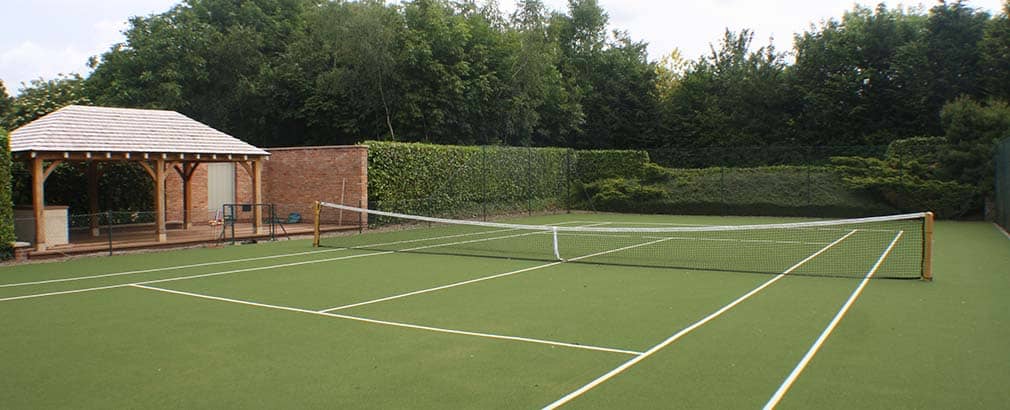
One of the first big decisions is the choice of tennis court materials. This goes beyond aesthetics—your materials impact ball speed, bounce consistency, maintenance, and even player safety. Traditional options include clay, grass, and hard courts, each with pros and cons. Clay slows down the ball and allows for longer rallies but demands frequent rolling and watering. Grass is beautiful and quick but high-maintenance and sensitive to weather. Hard surfaces, like asphalt or concrete, offer durability and predictable bounce but can be tough on joints. Modern synthetic surfaces combine resilience, cushioning, and low maintenance, making them an appealing choice for many homeowners and community facilities. Your selection should balance your budget, intended use, and willingness to invest time in upkeep.
Site preparation plays an enormous role in the final outcome. Even the highest-quality materials will underperform on a poorly prepared foundation. Grading the site, compacting the soil, and installing proper drainage are essential first steps. Without them, puddles, cracks, or uneven bounces can develop quickly, reducing enjoyment and requiring costly repairs down the line. Foundation work might seem tedious, but it’s the hidden backbone of a functional and long-lasting court.
Size and layout matter as much as materials. A standard singles tennis court is 27 feet wide by 78 feet long, with doubles adding nine extra feet in width. Backyard or residential plots may need slight adjustments, but keeping proportions as close to regulation as possible ensures the game feels natural. Also, think about the surrounding space—players need room to chase balls safely without running into fences, trees, or walls. A well-planned layout is about more than just fitting a rectangle into your yard; it’s about creating a space that feels comfortable, safe, and inviting.
Now, consider the playing surface itself. High-quality coatings or specialized paints protect the surface, improve traction, and enhance visibility of lines. They also extend the lifespan of your court. Clear, well-marked lines improve gameplay and can make the difference between a casual rally and a frustrating match. Small details like these may seem minor, but they contribute heavily to the overall experience.
Another factor to weigh is whether you want an indoor or outdoor tennis court . Outdoor courts are exposed to the elements, meaning drainage, sun exposure, and temperature fluctuations must be factored into construction. Proper orientation helps reduce glare during play, and strategically placed fences or windbreaks can enhance comfort and performance. Outdoor courts also offer the benefit of natural surroundings, creating a more enjoyable and aesthetically pleasing space. Indoor courts, by contrast, shield players from weather but come with higher construction and operational costs.
Maintenance is another essential consideration. Hard courts may require resurfacing every few years, clay courts need regular rolling and watering, and synthetic surfaces need periodic inspections and minor repairs. Selecting durable tennis court materials and proper drainage can reduce maintenance frequency and costs, allowing you to focus on playing rather than constantly repairing the surface. In many ways, the court’s upkeep is an investment in years of uninterrupted enjoyment.
Budgeting is another tricky part. Construction costs can vary widely depending on materials, labor, site conditions, and size. Cutting corners often leads to problems down the line, whether it’s cracking surfaces, uneven bounces, or premature wear. Investing in experienced contractors and quality materials ensures your court performs well and lasts longer. Think of it as spending once to enjoy decades of consistent play.
The human element is equally important. A tennis court is a social space, a stage for family fun, friendly competitions, and even quiet solo practice. The way the court feels underfoot, how the ball bounces, and the ease of movement all contribute to the overall experience. A well-constructed and thoughtfully designed court encourages use, builds community, and provides a healthy outlet for recreation.
Modern innovations have also changed the game. Advanced synthetic coatings, modular surfaces, and enhanced drainage solutions allow builders to customize courts for comfort, durability, and performance. These improvements are particularly valuable for outdoor tennis court settings, where weather and natural wear can otherwise compromise playability. Combining these technologies with a careful selection of materials and planning ensures a court that feels professional and is built to last.
 pulsemarket
Leave a comment