I didn’t give much thought to number plates until a traffic policeman casually pointed at my car one evening and said, “HSRP lagwa lo.” No fine that day, just a warning. Still, it lingered. That small rectangle of metal on the front and back of your vehicle turns out to be tied to safety, legality, and a surprisingly complex system that most of us only notice when we’re forced to.
High Security Registration Plates, or HSRP, aren’t new anymore, but the confusion around them somehow persists. People delay it, ignore it, or assume it’s optional. It isn’t. And beyond compliance, there’s a bigger story here—about how our roads work, how theft is tracked, and how a simple upgrade can quietly make things better.
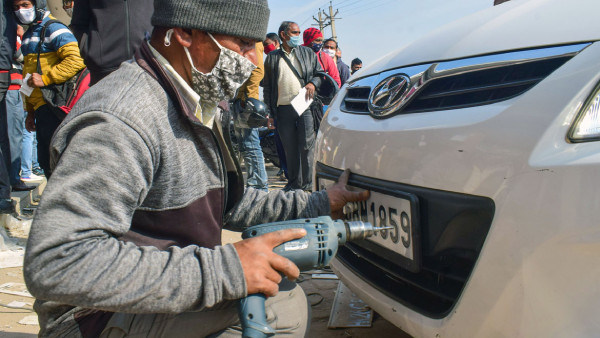
Let’s talk about it, without the usual government circular tone.
Why HSRP Became a Thing in the First Place
For years, number plates in India were a bit of a free-for-all. Fonts varied wildly, sizes didn’t match, and some plates were barely readable at night. That might seem harmless, but it created serious issues for law enforcement, toll systems, and even hit-and-run investigations.
HSRP plates changed that. They’re standardized, tamper-proof, laser-etched, and linked digitally to your vehicle’s details. Once installed, they’re not supposed to be removed or altered without leaving evidence behind. That’s the key. It’s not about looking fancy; it’s about traceability.
And yes, it also helps automated cameras read your plate correctly. Whether you like that or not is a different debate.
The Quiet Anxiety of “I’ll Do It Later”
Most vehicle owners don’t actively avoid HSRP. They just… postpone. Life gets busy. There’s always a more urgent errand. Until suddenly there’s a fine, or your RC-related work is stuck, or your state announces a strict deadline.
That’s usually when people search for book my hsrp at midnight, half-panicked, hoping it’s quick and painless.
The good news? Compared to how bureaucratic things used to be, the process today is fairly straightforward. Online booking portals, authorized vendors, and scheduled fitment slots have made it manageable. Not perfect, but manageable.
Still, it helps to know what you’re getting into.
What Actually Happens When You Get an HSRP
Once you book, your plate isn’t just printed like a regular accessory. It’s manufactured with your vehicle number, fitted with a chromium-based hologram, and locked using non-reusable snap locks. There’s also a laser code etched onto the plate, which connects back to a central database.
That database link is important. If your vehicle is stolen, cloned, or involved in an incident, that unique identifier helps authorities track it more reliably than old-style plates ever could.
You don’t really feel the impact day-to-day. And maybe that’s the point. The system works best when it fades into the background.
About That Third Plate (Yes, There’s One More)
Many people focus only on the front and rear metal plates. But modern HSRP compliance often includes a color-coded sticker placed on the windshield. It indicates fuel type and emission norms.
It’s subtle, but useful. Traffic officials can identify fuel type instantly. In pollution-control zones or emergency restrictions, this saves time and arguments. Again, it’s one of those small details that make the system smoother overall.
Common Myths That Refuse to Die
Let’s clear a few things up.
No, HSRP is not only for new vehicles.
No, you can’t legally skip it because your plate “looks fine.”
No, fancy fonts or designer plates don’t count as compliant.
And no, this isn’t just a revenue-generating scheme, despite what WhatsApp forwards suggest. The standardization genuinely improves enforcement and safety.
The hsrp number plate isn’t glamorous, but it’s functional. That’s kind of the theme here.
Real-Life Convenience You Don’t Notice Until It’s Gone
A friend of mine had his bike stolen last year. Recovered two weeks later. One of the reasons it was traced quickly was because the plate couldn’t be swapped easily without damage, and the laser code matched records instantly. It didn’t make the situation pleasant—but it made it resolvable.
That’s where HSRP quietly earns its keep.
You might never need that benefit. Hopefully, you won’t. But when you do, you’ll be glad the system exists.
Deadlines, Fines, and the Reality of Enforcement
Different states roll out enforcement differently, which adds to confusion. Some focus on awareness first, others jump straight to fines. Either way, the direction is clear. Compliance is no longer optional, and enforcement will only tighten with better camera systems and databases.
Waiting until the last minute rarely works in your favor. Booking slots fill up. Prices sometimes spike due to demand. And the stress just isn’t worth it.
So, Is It Worth Doing Right Now?
Short answer? Yes.
Not because you’re scared of a challan, but because it’s one of those rare cases where regulation actually improves the system for everyone. Roads become a bit safer. Data becomes more accurate. Stolen vehicles become easier to track.
And once it’s done, it’s done. No renewals, no recurring paperwork. Just a compliant plate that does its job quietly.
A Thought Before You Close This Tab
We often think of compliance as a burden. Another rule, another checkbox. But sometimes, it’s just infrastructure catching up with reality. The HSRP system isn’t perfect, but it’s a step toward order in a space that desperately needed it.
That small metal plate on your car? It’s doing more work than you realize.
 pulsemarket
Leave a comment