Most of us don’t remember the day our vehicle got its number plate. It was just… there. Fixed at the dealership or local shop, bolted on without ceremony. We drove off thinking about mileage, fuel prices, traffic, life. The plate stayed invisible until rules changed, fines started showing up in news alerts, and suddenly that small rectangle of metal carried more weight than expected.
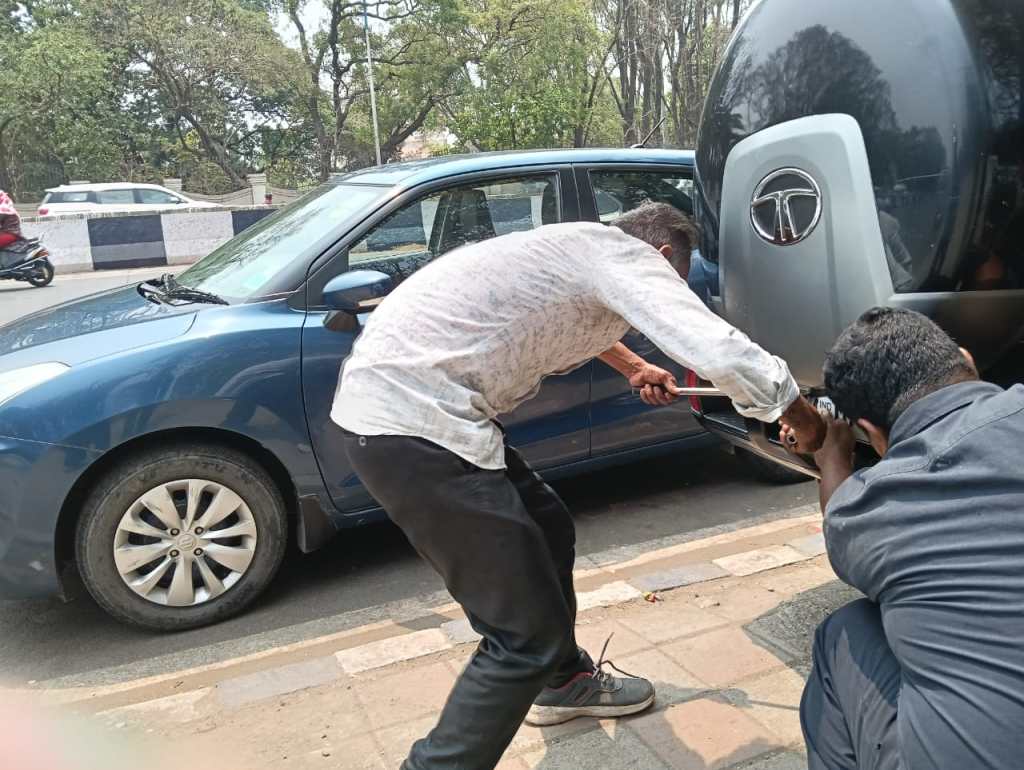
That’s more or less how the High Security Registration Plate entered everyday conversation. Quietly. Almost awkwardly. No big emotional appeal, no dramatic rollout. Just a steady push toward standardization, compliance, and, whether we liked it or not, accountability.
At first, people brushed it off. Another regulation. Another “we’ll see later” item. But later arrived faster than expected.
Why this change happened in the first place
The logic behind the system isn’t complicated. Vehicles get stolen. Plates get duplicated. Fake registrations circulate more easily than they should. Law enforcement struggles when every state, shop, and roadside vendor uses a slightly different format.
A standardized hsrp number plate fixes many of those cracks. It uses uniform fonts, reflective material, tamper-proof locks, and laser-etched identification codes. Not flashy technology, but effective. The kind of improvement that doesn’t feel exciting, yet quietly does its job.
For authorities, it means quicker identification and fewer loopholes. For honest vehicle owners, it reduces the chance of their vehicle being misused or misidentified. Still, understanding the “why” doesn’t always make the “doing” easier.
The emotional resistance nobody admits to
There’s a subtle irritation that comes with being told to update something that’s worked “just fine” for years. Vehicles feel personal. They’re tied to family routines, work schedules, memories of long drives and short errands. When a regulation touches that space, resistance is natural.
Some people delayed because they were busy. Others because they were unsure which site to trust. A few simply hoped enforcement would stay relaxed. But as traffic checks increased and deadlines hardened, procrastination started costing real money.
That’s usually the point when people begin searching instructions, reviews, and experiences. Not because they want to, but because they have to.
The online shift: helpful, but not hand-holding
Moving the process online was a sensible step. It reduced middlemen, queues, and confusion. In theory, it’s simple: enter vehicle details, choose a fitment center, select a slot, pay, and show up.
In practice, it requires attention. The system doesn’t forgive sloppy typing. Chassis numbers, engine numbers, registration details—each needs to be exact. One wrong digit and the appointment stalls.
This is where frustration creeps in. Not because the system is broken, but because it assumes you’ll slow down. Read. Verify. Treat it like official paperwork, not a casual form.
People often complain that the process feels rigid. And it is. But rigidity is kind of the point when the goal is accuracy.
Timing, slots, and real-world planning
Another thing many don’t anticipate is demand. In larger cities, fitment centers can get crowded. Weekend slots disappear quickly. Mornings are popular. Smaller towns may have fewer centers but more flexible schedules.
This is where number plate booking becomes less about clicking a button and more about planning ahead. A bit like booking a train ticket instead of ordering food. You look at dates, adjust expectations, and pick what works rather than what’s ideal.
Those who treat it casually often end up rescheduling. Those who plan once usually finish it in a single visit.
What actually happens on installation day
There’s a lot of unnecessary anxiety around this part. People imagine long lines, arguments, or extra charges. In reality, most authorized centers follow a predictable flow.
You arrive with confirmation and documents. Details are verified. Old plates are removed. New ones are installed using non-removable locks. The laser code is checked. That’s it.
The whole thing often takes less time than a routine fuel stop plus coffee.
And there’s a strange sense of relief afterward. Not pride, exactly. More like mental clutter disappearing. One less thing to worry about at traffic signals.
The myths that keep circulating anyway
Despite clear instructions, some misunderstandings refuse to die. One common belief is that older vehicles will eventually be exempt. That hasn’t proven true so far.
Another is that local vendors can provide “HSRP-style” plates cheaper. They can’t, not legally. Those plates don’t meet specifications and can still attract fines, even if they look similar.
There’s also concern about tracking and privacy. But HSRP doesn’t introduce new surveillance. It standardizes what already exists. Vehicle data has always been part of registration systems; this just ensures the physical plate matches the records reliably.
A small change with long-term effects
HSRP won’t fix potholes. It won’t reduce traffic overnight. It won’t make drivers more patient. But it tightens a loose system. And when systems tighten, outcomes slowly improve.
Stolen vehicles become easier to trace. Duplicate identities become harder to maintain. Enforcement becomes more uniform instead of arbitrary. Over time, that matters.
There’s also something personal in completing it. Once done, it fades into the background. Which is exactly how compliance should work. You notice it once, take care of it properly, and then move on.
Ending where most of us actually stand
No one wakes up excited to update a number plate. It’s not a passion project. It’s a responsibility. And like most responsibilities, it feels heavier before it’s done than after.
If you’ve delayed it, you’re not careless. You’re human. But once you sit down, follow the process calmly, and get it installed, it becomes just another quiet part of vehicle ownership.
And maybe that’s the best outcome. A rule that doesn’t demand attention forever. One that does its job silently, while you get back to driving, living, and thinking about things that matter a little more than a piece of metal—until, of course, the next rule shows up.
 pulsemarket
Leave a comment