There was a time when number plates were barely worth a second glance. They were just there—metal, paint, a few screws holding them on—and as long as they matched the RC, nobody cared. But somewhere along the road, things changed. Between rising vehicle thefts, stricter enforcement, and digitized transport records, number plates stopped being boring. They became important. Surprisingly important.
If you own a vehicle registered before the mandatory HSRP rule kicked in, you’ve probably already heard whispers—or loud warnings—about High-Security Registration Plates. Maybe from a traffic cop, maybe from a WhatsApp group, maybe from that one friend who always seems to know rules before everyone else. And yes, the confusion is real. What is HSRP exactly? Why now? And how do you even get one without standing in endless queues?
Let’s slow down and unpack it, the human way.
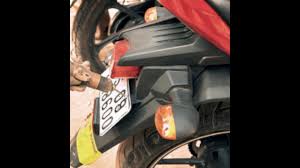
HSRP, or High-Security Registration Plate, isn’t just a fancier plate with a shiny finish. It’s designed to be tamper-proof, standardized, and digitally linked to your vehicle. The plate comes with a chromium-based hologram, a laser-etched permanent ID, and snap-lock fittings that make casual removal nearly impossible. Sounds overkill? Maybe. But when stolen vehicles, fake registrations, and cloned plates are everyday problems, it starts to make sense.
For older vehicles, especially those registered before April 2019, upgrading to HSRP is no longer optional in many states. Penalties vary—sometimes a fine, sometimes a warning—but enforcement is getting tighter. And once enforcement tightens, panic usually follows.
That’s where online booking systems entered the picture.
At first, the idea of booking a number plate online felt odd. We’re used to booking trains, movie tickets, even gas cylinders—but a number plate? Still, it works. Instead of standing outside RTO offices or relying on agents who may or may not be honest, vehicle owners can now schedule their HSRP installation digitally. The process is fairly straightforward: enter vehicle details, choose a fitment location, select a time slot, pay the fee, and show up. No bribes. No guesswork.
Many people search for book my hsrp when they realize they need a quick, official way to comply. It’s often triggered by a small scare—maybe a fine issued nearby, or a news headline about a new enforcement drive. And honestly, that’s okay. Most of us act only when urgency knocks.
But beyond compliance, there’s a deeper value to HSRP that isn’t discussed enough. It brings uniformity. Whether your car is registered in Delhi or a two-wheeler in a smaller district, the plates look and function the same. That consistency helps authorities track vehicles across state borders and helps citizens avoid unnecessary trouble. Ever been stopped because a plate “looked suspicious”? Standardization quietly reduces those moments.
There’s also the FASTag connection. Color-coded sticker tags on windshields—blue for petrol, green for electric, orange for diesel—work alongside HSRPs. Together, they help with toll collection, emissions identification, and even long-term policy planning. It’s not just about today’s traffic stop; it’s about building a cleaner, more accountable transport ecosystem over time.
Of course, the system isn’t perfect. Some users complain about appointment delays. Others mention fitment centers being understaffed. And yes, the occasional website glitch can make you question modern technology altogether. But compared to the old ways—forms, stamps, middlemen—it’s still a step forward.
People often ask whether all booking platforms are the same. In practice, most state governments authorize specific vendors. You’ll see official portals and links circulating online, and one commonly referenced platform is book my hsrp com , which many users associate with government-approved booking and standardized pricing. The key, though, is to always cross-check your state’s transport department notifications before booking. That one extra minute can save you from scams or duplicate payments.
Another common worry is cost. While prices vary slightly by vehicle type and state, they’re generally reasonable. A few hundred rupees for something that lasts the life of the vehicle and keeps you on the right side of the law isn’t outrageous. When you factor in the potential fines—or worse, the hassle of repeated police stops—it starts to look like a sensible investment.
What’s interesting is how attitudes have shifted. Earlier, vehicle compliance felt like a burden forced from above. Now, more people see it as part of responsible ownership. Just like wearing a seatbelt or renewing insurance, HSRP is becoming one of those things you quietly get done and move on.
And maybe that’s the point. Good systems shouldn’t feel dramatic. They should blend into daily life, reduce friction, and protect you without demanding constant attention. High-Security Registration Plates, for all the debate around them, are slowly doing just that.
So if you’ve been postponing it—thinking you’ll “see later” or “manage somehow”—this might be a good moment to act. Not out of fear, but out of practicality. One less thing to worry about when you’re already juggling enough.
In the end, a number plate is still just a number plate. But in today’s India, it carries a lot more weight than it used to. And understanding that—calmly, without panic—makes all the difference.
 pulsemarket
Leave a comment