There’s a stretch of highway I drive so often that I don’t really “see” it anymore. I know where the road dips, where the trucks slow down, and exactly how long it takes to reach the toll plaza from the last flyover. The routine is familiar, almost comforting. What isn’t comforting—never has been—is the tiny pause at the toll booth. Even with FASTag, it’s still a pause. A mental speed bump.
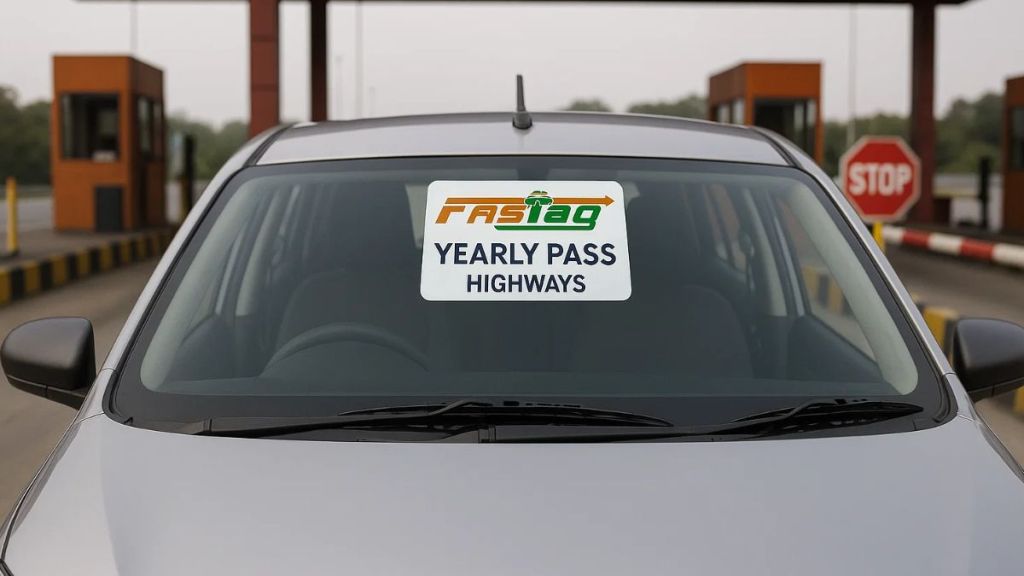
Over time, those little interruptions add up. You don’t feel them on day one, but a year of driving makes them noticeable. That’s usually when people start thinking about annual passes. Not because they love systems or policies, but because they’re tired of dealing with the same small friction again and again.
FASTag itself was a big improvement, no argument there. It cut down on cash handling and sped things up. But if you’re a regular highway driver, you quickly realize that speed isn’t the only issue. It’s attention. Every toll booth asks for a sliver of it. Did the scanner read? Did the balance drop correctly? Should I check the app later?
An annual pass changes that relationship. Suddenly, tolls aren’t something you interact with constantly. They’re something you’ve already handled.
That doesn’t mean you forget about your account entirely. There’s still a system behind the scenes, and staying aware matters. Things like validity dates and the occasional fastag annual pass recharge are part of owning the pass. But the frequency drops. Instead of reacting every few days, you’re managing things occasionally. That shift alone makes the experience feel calmer.
Drivers who’ve made the switch often describe it in simple terms: “I don’t think about tolls anymore.” And that’s really the core benefit. Not savings alone, not convenience alone—but mental quiet.
Of course, no one jumps into an annual pass without questions. The biggest one is always the same: will this actually suit my driving life? Annual passes reward consistency. They’re built for people whose routes don’t change much. Daily commuters between cities. School buses. Transport vehicles on fixed stretches. If your driving habits are unpredictable, the appeal fades quickly.
That’s why understanding the structure matters. The nhai fastag annual pass framework focuses on national highways where repeat usage is common and predictable. It’s not designed to cover every spontaneous detour or once-in-a-blue-moon road trip. And that’s okay. It’s meant to solve a specific problem, not all of them.
What’s interesting is how many people only realize how predictable their driving actually is after they start paying attention. We tend to think our schedules are chaotic, but when you look closely, patterns emerge. Same toll plaza, five days a week. Same time of day. Same lane preference. Once you see that, committing to a pass doesn’t feel risky—it feels obvious.
Another reason annual passes are gaining traction is how accessible the process has become. A few years ago, anything involving passes or permits felt intimidating. Paperwork. Counters. Vague instructions. Now, most of it happens online. You choose your route, submit details, pay digitally, and you’re done. No standing in line. No explaining yourself to three different people.
That ease matters more than we often admit. When systems are simple, people trust them. And when they trust them, they use them properly.
There’s also a financial side that deserves a calmer conversation. Annual passes aren’t always about spending less in absolute terms. Sometimes, they’re about spending more predictably. Toll costs, when paid per trip, are easy to ignore until they quietly drain your monthly budget. A pass turns that drip-feed expense into a known figure. For families and small businesses, that clarity is valuable.
Time plays a role too, even if it’s hard to measure. Less stopping means less idling. Less idling means smoother traffic flow. Over a year, those saved minutes add up. You won’t get them back all at once, but you’ll feel the difference in your day.
Now, let’s be honest. Indian highways are still Indian highways. Scanners malfunction. Some toll booths lag in maintenance. Even with a pass, you’ll occasionally have to slow down and explain. Anyone expecting a flawless, friction-free experience is setting themselves up for disappointment.
But here’s the trade-off: fewer interruptions are still better than many. Progress doesn’t need to be perfect to be meaningful.
What I find most interesting is how quietly this shift is happening. There’s no big announcement when someone switches to an annual pass. No sense of novelty. Just a driver realizing, a few weeks in, that the toll booth no longer feels like a pause point. It’s just another part of the road.
That quietness says a lot. It means the system is doing its job without demanding attention. And on roads that already ask for so much focus, that’s a gift.
 pulsemarket
Leave a comment