Natural materials have always held a special place in interior design, but today, eco-conscious living has elevated their importance. Among these materials, cane webbing and rattan cane have become increasingly popular for homeowners and designers looking to combine sustainability, functionality, and timeless aesthetics. Both materials bring a unique charm to furniture and décor, reflecting traditional craftsmanship while meeting modern design needs.
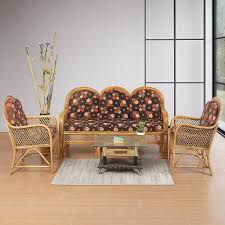
Cane webbing, also known as caning, is created by weaving thin strips of the outer layer of the rattan vine into intricate patterns. These woven panels are highly versatile and are commonly used in chairs, cabinets, headboards, and even room dividers. The breathable texture of cane webbing not only provides comfort but also adds a touch of elegance and sophistication to any space. Its natural light tones give interiors a warm and airy feel, making it perfect for tropical, bohemian, or coastal-themed homes.
On the other hand, rattan cane refers to the solid stems of the rattan plant. Known for its strength, flexibility, and lightweight nature, rattan cane serves as an ideal material for furniture frames, structural accents, and decorative elements. It pairs perfectly with cane webbing, offering a balance between durability and delicate design. Rattan cane’s natural aesthetic complements wood, metal, and fabric, allowing for a wide range of furniture styles — from traditional hand-crafted chairs to modern minimalist tables.
One of the most appealing aspects of cane webbing and rattan cane is their eco-friendly nature. Rattan grows quickly and regenerates easily, making it a highly sustainable resource. Unlike hardwood trees that take decades to mature, rattan can be harvested without damaging the environment. By incorporating these natural materials into your home, you are supporting sustainable practices while bringing handcrafted artistry into your living space. Skilled artisans have perfected the techniques of weaving cane and crafting rattan for generations, ensuring that each piece reflects both quality and tradition.
Maintenance is another advantage of these materials. Regular dusting and occasional wiping with a damp cloth are sufficient to keep cane webbing and rattan cane in excellent condition. Applying a light coat of polish or oil can help preserve their natural luster. Their lightweight design makes them easy to move and rearrange, while their sturdy construction ensures long-lasting use, making them practical as well as stylish.
Cane webbing and rattan cane are incredibly versatile in interior design. Cane panels can be used to refresh old furniture, create decorative cabinet inserts, or even serve as wall accents. Rattan cane furniture adds structure and charm, whether it’s a dining set, armchair, or decorative shelving. Together, they enhance any space by adding natural texture, warmth, and a sense of artisanal craftsmanship.
 pulsemarket
Leave a comment