Kidney stones are one of the most common urological conditions worldwide, causing severe pain and discomfort. These hard deposits form inside the kidneys when minerals and salts crystallize in concentrated urine. While small stones often pass unnoticed, larger ones can block the urinary tract and require medical attention. Choosing the right Kidney Stone Treatment is vital to ensure quick recovery, reduce pain, and prevent recurrence.
Causes of Kidney Stones
Kidney stones form due to an imbalance in urine composition.Kidney Stone Treatment Several factors increase the risk:
- Dehydration: Not drinking enough water leads to concentrated urine.
- Diet: High intake of sodium, animal protein, or oxalate-rich foods such as spinach, chocolate, and nuts.
- Genetics: A family history of kidney stones raises the likelihood.
- Medical conditions: Digestive problems, obesity, or certain medications affect calcium or uric acid levels.
Identifying the cause helps patients and doctors plan the right treatment and lifestyle adjustments.
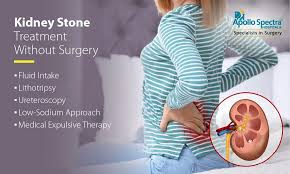
Symptoms of Kidney Stones
The symptoms depend on the stone’s size and location. Common warning signs include:
- Severe pain in the back, abdomen, or groin that comes in waves
- Painful urination and frequent urges to urinate
- Blood in urine, also called hematuria
- Nausea, vomiting, fever, or chills in advanced cases
These symptoms should be taken seriously, as untreated stones can cause infections or permanent kidney damage.
Diagnosis of Kidney Stones
Doctors use multiple diagnostic tools to confirm the presence of stones:
- Ultrasound: A safe, non-invasive method to detect stones.
- CT Scan: Provides detailed imaging to locate stones precisely.
- X-rays: Used in some cases to track stone size and position.
- Urine and blood tests: Identify high mineral levels or metabolic issues.
Accurate diagnosis ensures that the most effective treatment option is selected.
Treatment Options
The method of treatment depends on the size, number, and location of the stones, as well as the patient’s overall health.
1. Hydration and Medications
For smaller stones, doctors recommend drinking 2–3 liters of water daily to help pass them naturally. Pain relievers and alpha-blockers may be prescribed to reduce discomfort and relax ureter muscles.
2. Extracorporeal Shock Wave Lithotripsy (ESWL)
This non-invasive procedure uses shock waves to break larger stones into smaller fragments that can pass naturally through urine. ESWL is most effective for medium-sized stones.
3. Ureteroscopy
In this minimally invasive procedure, a small scope is inserted through the urinary tract. Stones can be removed directly or broken into pieces using laser energy.
4. Percutaneous Nephrolithotomy (PCNL)
For very large or complex stones, PCNL is performed. A small incision in the back allows direct removal of stones from the kidney.
5. Open Surgery
Although rarely needed today, open surgery may be the only option in extremely complicated cases.
Preventing Kidney Stones
Prevention is the best way to avoid recurring kidney stones. Key strategies include:
- Drinking plenty of fluids, especially water
- Reducing salt and animal protein in meals
- Avoiding excessive intake of oxalate-rich foods
- Maintaining a healthy body weight
- Following dietary advice recommended by doctors based on stone type
These lifestyle changes lower the risk of stone formation and promote overall kidney health.
Conclusion
Kidney stones are painful but manageable with timely care. From natural passage with hydration to advanced medical procedures like ESWL and PCNL, treatment options are tailored to each case. Early diagnosis and consultation with a healthcare professional are essential for fast recovery and to avoid complications. With proper preventive measures such as adequate hydration and diet control, the chances of recurrence can be reduced. In severe situations, kidney stone surgery may be required, but most patients benefit from less invasive techniques that restore comfort and protect kidney health.
 pulsemarket
Leave a comment