Pickleball has rapidly gained popularity as a fun and engaging sport suitable for all ages. For homeowners who love the game, building a home pickleball court can provide endless entertainment and fitness benefits. A crucial part of constructing a high-quality court is selecting the right pickleball court floor, which impacts playability, safety, and longevity. Understanding the materials, installation process, and maintenance tips can help you create a court that meets professional standards while complementing your property.
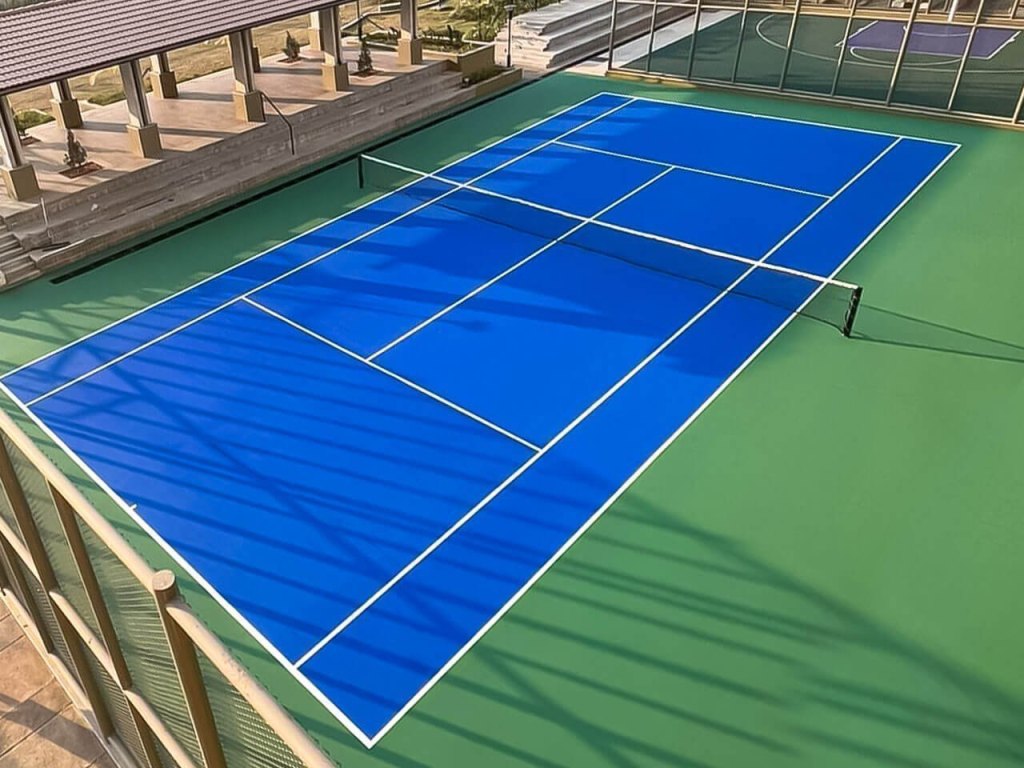
Benefits of Building a Home Pickleball Court
Installing a pickleball court at home offers several advantages. It provides convenient access for family and friends, encourages regular physical activity, and enhances property value. A properly designed home court can also accommodate multiple players, making it perfect for social gatherings and competitive matches. Additionally, building a court with professional-grade materials ensures consistent performance and a safer playing environment.
Choosing the Right Pickleball Court Floor
The pickleball court floor plays a critical role in determining player comfort and performance. The most common flooring options include:
- Acrylic Coatings: Acrylic is a popular choice for residential pickleball courts due to its smooth finish, excellent traction, and vibrant color options. Multiple layers of acrylic provide durability and weather resistance, making it suitable for outdoor courts.
- Modular Interlocking Tiles: Modular tiles are made from durable synthetic materials and are ideal for DIY home installations. They provide excellent shock absorption, non-slip surfaces, and can be replaced individually if damaged, reducing maintenance costs.
- Rubber or Synthetic Flooring: Rubberized and polyurethane surfaces offer cushioning to reduce stress on joints, making long play sessions more comfortable. These materials are highly durable and resistant to weather changes.
- Concrete or Asphalt with Top Coating: Concrete or asphalt can serve as a base, with acrylic or synthetic coatings applied on top. This combination provides a professional-level playing surface that is long-lasting and low-maintenance.
Planning Your Home Pickleball Court
Before starting construction, careful planning is essential. Consider these factors:
- Space Requirements: A standard pickleball court measures 20 feet by 44 feet, but additional space is needed for sidelines and overrun areas.
- Site Preparation: The area should be leveled, cleared of debris, and graded for proper drainage. This prevents water accumulation and ensures a stable foundation.
- Lighting and Fencing: Installing adequate lighting allows for evening play, while fencing keeps balls contained and enhances safety.
Maintenance Tips for Longevity
Regular maintenance extends the life of your home pickleball court. Sweep the surface frequently, clean spills immediately, and inspect the floor for cracks or damage. Acrylic or synthetic floors may require occasional resurfacing, while modular tiles should be checked for proper alignment and replaced as needed. Proper care ensures a safe, high-performance court for years of enjoyment.
Conclusion
Building a home pickleball court is a rewarding investment that combines fitness, fun, and social engagement. Selecting the right pickleball court floor and following proper installation and maintenance practices are key to creating a durable, safe, and enjoyable playing surface. With careful planning and quality materials, your home court can provide a professional-grade experience while enhancing the overall value and appeal of your property.
 pulsemarket
Leave a comment