When it comes to building a top-tier tennis court, selecting the right tennis court flooring and materials is crucial. The quality of the surface not only affects player performance and safety but also impacts the longevity and maintenance of the court itself. Whether you’re constructing a new court or renovating an existing one, understanding the various types of flooring options and materials available can help you make a more informed decision.
Types of Tennis Court Flooring
There are several popular flooring options used for tennis courts, each with its own set of advantages and applications. The most common types include:
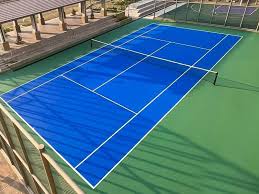
- Hard Courts (Acrylic or Asphalt)
Hard courts are widely used across the globe due to their consistent bounce, low maintenance, and versatility. They typically consist of a concrete or asphalt base coated with acrylic layers. This surface type is ideal for both recreational and professional-level play. - Clay Courts
Known for their slower game pace and high bounce, clay courts are made from crushed brick, stone, or shale. These are commonly found in Europe and South America and are excellent for players who prefer longer rallies. - Grass Courts
Traditionally associated with prestige and classic tournaments like Wimbledon, grass courts offer a fast-paced game with low bounce. However, they require regular upkeep and are often more expensive to maintain. - Artificial Turf
Artificial grass courts are designed to mimic the look and feel of natural grass but come with easier maintenance and better durability. These surfaces are becoming increasingly popular in clubs and schools. - Cushioned Courts
Combining a hard surface with shock-absorbing layers underneath, cushioned courts provide a more forgiving experience for players. This is an ideal option for those concerned about joint stress or injuries.
Essential Tennis Court Materials
Building a durable and high-performance tennis court requires high-quality materials beyond just the surface layer. Some of the essential materials include:
- Sub-base materials like crushed stone or gravel ensure proper drainage and stability.
- Acrylic coatings are applied to hard courts to provide texture, color, and UV protection.
- Line marking paints are crucial for visibility and precision in gameplay.
- Fencing and lighting materials are also important for creating a safe and functional playing environment.
Using the right tennis court materials not only enhances the court’s performance but also minimizes the need for frequent repairs and resurfacing. Investing in premium materials may seem costly at first, but it pays off in terms of durability and lower maintenance in the long run.
Final Thoughts
Choosing the best tennis court flooring and materials depends on several factors including location, climate, usage level, and budget. While professional advice and proper installation are key, understanding your options empowers you to make smarter choices that enhance the playing experience and increase the court’s lifespan. Whether you prefer the classic feel of clay, the speed of grass, or the practicality of acrylic, quality materials and expert craftsmanship will always be at the heart of a great tennis court.
 pulsemarket
Leave a comment